
Fire safety is a critical responsibility for every business, regardless of its size or industry. One of the most effective ways to manage fire safety is through a fire risk assessment. A fire risk assessment helps businesses identify potential fire hazards, evaluate risks, and implement appropriate control measures to protect people, property, and operations. This guide explains everything businesses need to know about fire risk assessments and why they are essential.
What Is a Fire Risk Assessment?
A fire risk assessment is a structured review of a workplace or business premises to identify fire hazards and assess the risk they pose. It evaluates how a fire might start, how it could spread, and who could be affected. The assessment also examines existing fire safety measures and determines whether they are adequate or need improvement.
Fire risk assessments are usually carried out by a competent person with sufficient knowledge of fire safety. In some cases, businesses may choose to hire professional fire risk assessors to ensure accuracy and legal compliance.
Why Fire Risk Assessments Are Essential for Businesses
Fire risk assessments play a vital role in protecting lives. Employees, customers, and visitors rely on businesses to provide a safe environment. Early identification of hazards reduces the likelihood of fire-related injuries or fatalities.
Legal compliance is another key reason. Many countries require businesses to conduct regular fire risk assessments under fire safety regulations. Failure to comply can result in fines, prosecution, or closure of the business.
From a business perspective, fire incidents can cause severe financial losses. Damage to buildings, equipment, and inventory, along with operational downtime, can threaten the survival of a business. A fire risk assessment helps reduce these risks by ensuring preventive measures are in place.
See also: Your Business, Upgraded: Top Online Tools for Smarter, Faster Growth
Key Elements of a Fire Risk Assessment
A comprehensive fire risk assessment includes several important steps:
Identifying Fire Hazards
Fire hazards typically include ignition sources such as electrical equipment, heating systems, and open flames; fuel sources such as paper, chemicals, or flammable liquids; and oxygen sources like ventilation systems.
Identifying People at Risk
Businesses must consider employees, contractors, customers, and visitors. Special consideration should be given to individuals with disabilities, limited mobility, or those unfamiliar with the premises.
Evaluating Risks and Implementing Controls
The likelihood of a fire occurring and its potential impact are assessed. Control measures may include improving housekeeping, reducing flammable materials, upgrading electrical systems, or introducing safer work practices.
Fire Detection and Warning Systems
Fire alarms, smoke detectors, and emergency alert systems must be suitable for the size and layout of the premises and regularly tested.
Firefighting Equipment
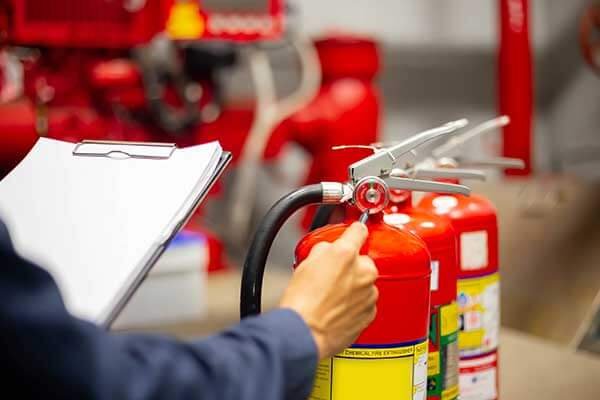
Appropriate fire extinguishers and fire suppression systems should be installed and easily accessible. Staff should be trained on their correct use.
Escape Routes and Emergency Planning
Clear, unobstructed escape routes and exits are essential. Emergency lighting, signage, and evacuation plans help ensure safe and orderly evacuation during a fire.
Recording and Reviewing the Assessment
The findings of the fire risk assessment should be documented, especially for larger businesses. Records demonstrate compliance and help track improvements over time. An emergency fire evacuation plan should also be documented and communicated to all staff.
Fire risk assessments are not one-time tasks. They must be reviewed regularly and updated whenever there are changes to the building, work processes, staff numbers, or use of the premises. Regular reviews ensure that fire safety measures remain effective and relevant.
Staff Training and Awareness
Even the best fire safety systems can fail without proper staff awareness. Businesses should provide regular fire safety training, including evacuation procedures, alarm response, and basic firefighting knowledge. Fire drills help reinforce training and identify weaknesses in emergency planning.
Conclusion
A fire risk assessment is a fundamental part of responsible business management. It helps identify hazards, protect people, meet legal obligations, and reduce financial risks. By conducting thorough assessments, maintaining effective fire safety measures, and regularly reviewing procedures, businesses can create a safer environment and ensure long-term operational resilience. Investing in fire risk assessment is not just a legal requirement—it is a vital step toward protecting lives and sustaining business success.